You run your own node. You verify the supply cap. You would never hold your savings in a token you cannot audit. Then every morning you rub a cream on your face whose ingredient list reads like a chemistry exam you failed.
Bitcoiners apply “don’t trust, verify” to money with religious intensity. It is time to apply it to the largest organ you own: your skin.
Your Moisturizer Is Fiat
The average face cream is roughly 70% water. The rest is an emulsion of petroleum derivatives (mineral oil, petrolatum), synthetic emulsifiers, preservatives like parabens, and “fragrance,” a legal black box hiding dozens of undisclosed chemicals. The actual active ingredients are present in token amounts, just enough to justify the marketing copy.
It is fiat money in a jar: diluted at the source, propped up by branding, impossible to audit. You pay premium prices for water and petroleum, the way fiat savers pay inflation’s hidden tax: value extracted quietly, every day. 
The industry spends billions on advertising and almost nothing on transparency. “Dermatologist tested” means a dermatologist was paid to glance at it. “Natural” has no legal definition at all. It is a central bank press release: reassuring language, zero verifiability.
Read the Label Like a Whitepaper
Bitcoin taught you to read the source code. The skill transfers perfectly to skincare labels.
Flip over any mainstream moisturizer and read the ingredients in order; they are listed by concentration, so the first five tell you what you are actually buying. Water (aqua), mineral oil, or petrolatum up top means a diluted petroleum product with a luxury price tag. “Parfum” with no breakdown is a closed-source dependency in your daily routine. You would not run closed-source code on your money. Why run it on your face?
A typical drugstore cream lists 25 to 40 ingredients. Each one is a counterparty your skin has to process or tolerate. Complexity is not sophistication; in money and skincare alike, complexity is where the extraction happens.
The Bitcoin standard is simple: few ingredients, all understandable, nothing hidden. Sound money has 21 million units and one rule. Sound skincare should clear the same bar.
Matching Fats: The Biology Checks Out
The alternative is not some exotic lab creation. It is one of the oldest skincare ingredients in human history: tallow.
Tallow is rendered beef fat, and its fatty acid profile closely matches human sebum, the oil your skin produces: roughly 55% saturated fat, 40% monounsaturated. Your skin recognizes it because, molecularly speaking, it already speaks the language. This is lipid chemistry, not marketing poetry.
Mineral oil, by contrast, sits on the skin as an occlusive film. It does not nourish; it seals. It is the custodial wallet of skincare: it looks like it is doing something, but you never hold the asset. Tallow absorbs, delivering fat-soluble vitamins A, D, E, and K in usable form. No middlemen, no IOUs.
Petroleum Free: You Are Not a Diesel Engine
“You are a human being, not a diesel engine.” Mineral oil and petrolatum are petroleum byproducts, refined from the same crude that fuels engines. The industry insists cosmetic-grade mineral oil is purified and safe, and maybe it is, in the narrow toxicological sense. But the Bitcoiner question is not “can I survive this.” It is “why accept this when something better exists?”
No mineral oil, no parabens, no phthalates, no synthetic fragrances. Each exclusion removes a trusted third party from your skincare stack, and as we established in 2009, trusted third parties are security holes.
0% Water: Full Reserves, No Dilution
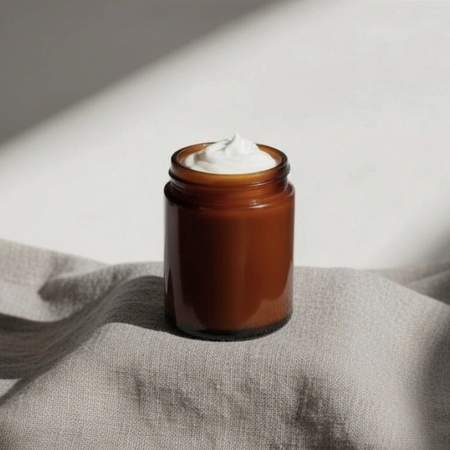
Here is the number that should make every Bitcoiner furious: most commercial creams are about 70% water. You pay $40 for a jar of tap water with a sophisticated supply chain. That water breeds bacteria, so it needs preservatives, which need stabilizers, which is how a “simple moisturizer” ends up with 35 ingredients.
A tallow balm is 0% water: one hundred percent active ingredients. No water means no microbial growth, which means no preservatives. Full-reserve skincare, auditable down to the last gram, the way a bitcoin balance is auditable down to the last sat.
Dilution is the oldest scam in monetary history, from clipped coins to quantitative easing. The cosmetics industry just moved it to the bathroom shelf.
Low Time Preference Skincare
Bitcoiners understand low time preference: you sacrifice short-term convenience for long-term soundness. Skincare rewards the same mindset.
Petroleum products feel good immediately; silicones make skin silky for an hour. That is high time preference, mortgaging the future for present comfort. Chronic use of occlusive petroleum products can impair the skin barrier, creating dependency on the very products causing the problem. The Cantillon effect, for your face.
Tallow asks for patience: richer, slower to absorb, no silicone slip. In return you get a barrier built from materials your skin was designed to use. Slow, boring, compounding results. Sound familiar?
The Bottom Line
Nobody claims skincare will fix the money. But the mindset is the same, and mindsets compound. Once you verify instead of trust, you cannot unsee the fiat patterns in everyday products: dilution, marketing, trusted third parties, complexity that obscures extraction.
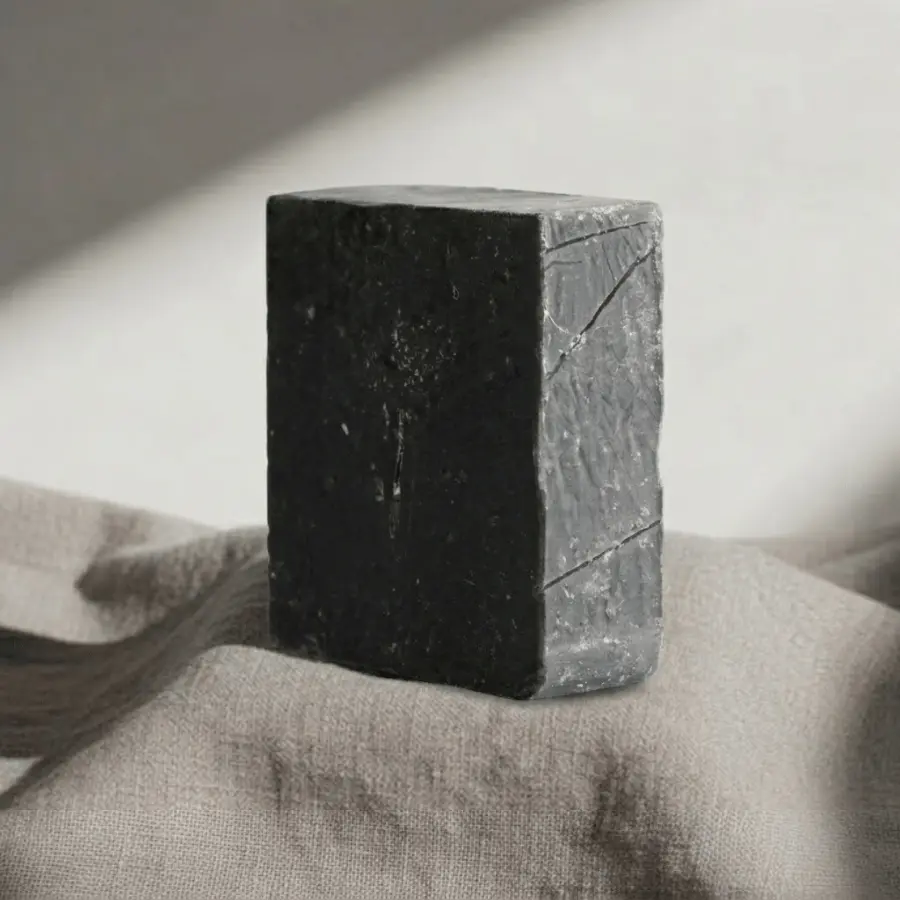
A small brand called Less Is King is building on exactly this thesis: tallow skincare with a short, readable ingredient list. No petroleum, no water, nothing you cannot pronounce. They are in pre-launch with a waitlist at lessisking.com. No hard sell; just pointing at the thing, the way you would point a friend at a good wallet.
Sound money taught us to demand verifiability, scarcity of nonsense, and full reserves. There is no reason your skin should settle for fiat.