Lily Allen could have been one of the richest women on the planet. All she had to do was sing a few songs into a webcam in 2009.
She said “as if.”
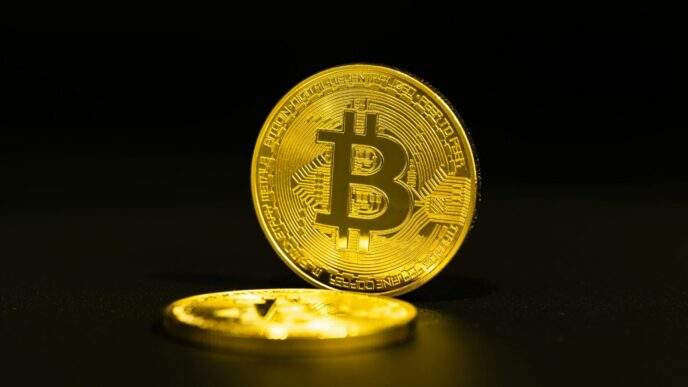
Back then, Allen was at her commercial peak. Her second album, It’s Not Me, It’s You, had just landed, and “The Fear” was sitting at number one. That is when someone approached her with an offer that sounds completely normal now and sounded like a prank then: perform a gig streamed live into Second Life, the 3D virtual world run by Linden Labs, and get paid 200,000 bitcoin for it.
No travel. No venue. A gig from her own home. 
She turned it down flat.
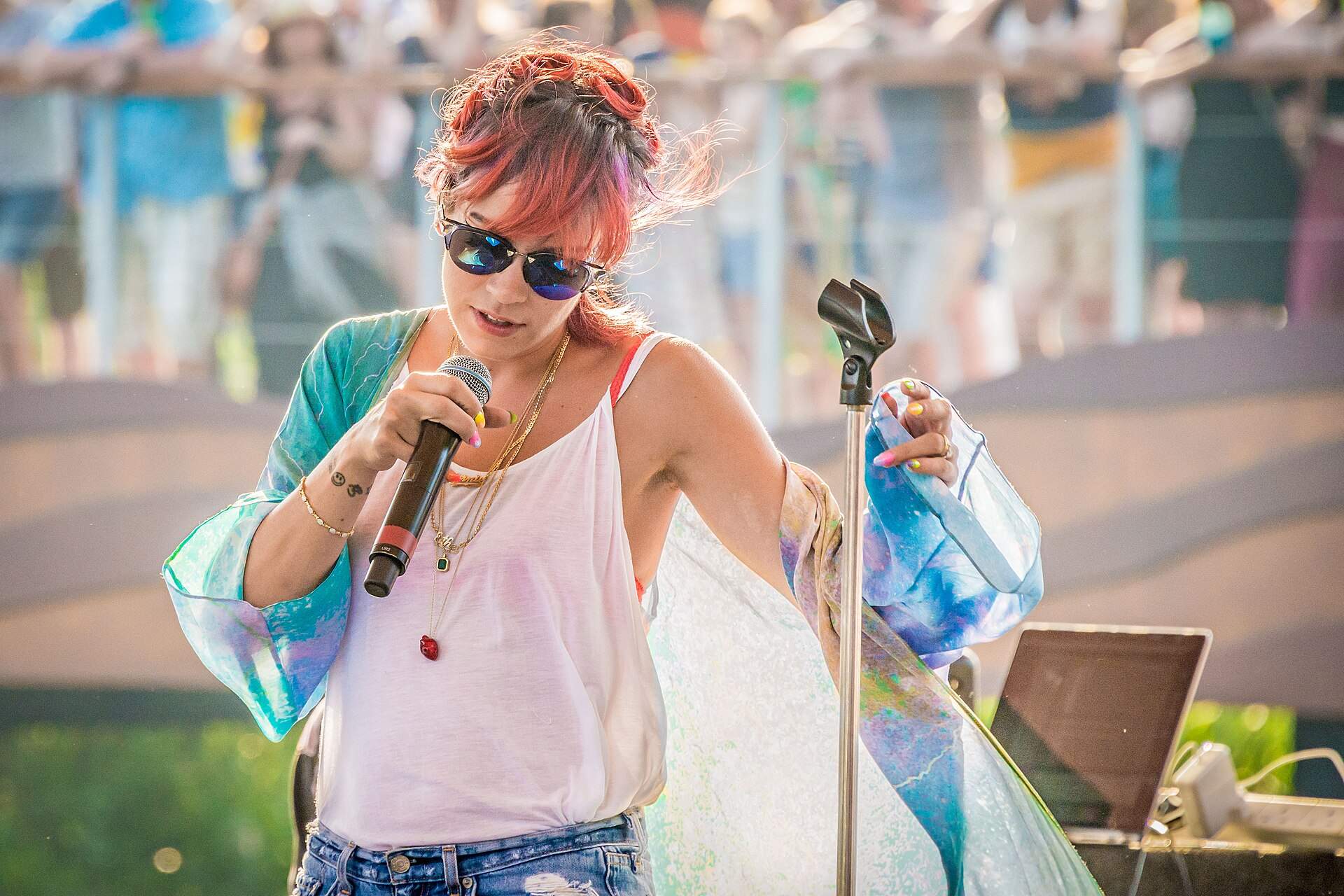
In fairness, look at what was actually on the table. Bitcoin had launched in January 2009, the same year as the offer. It had no real exchange price yet. The 200,000 bitcoin she was offered were worth roughly £445 in total. Four hundred and forty five quid, for one of the biggest pop stars in Britain. You would have said “as if” too.
Then the number started moving.
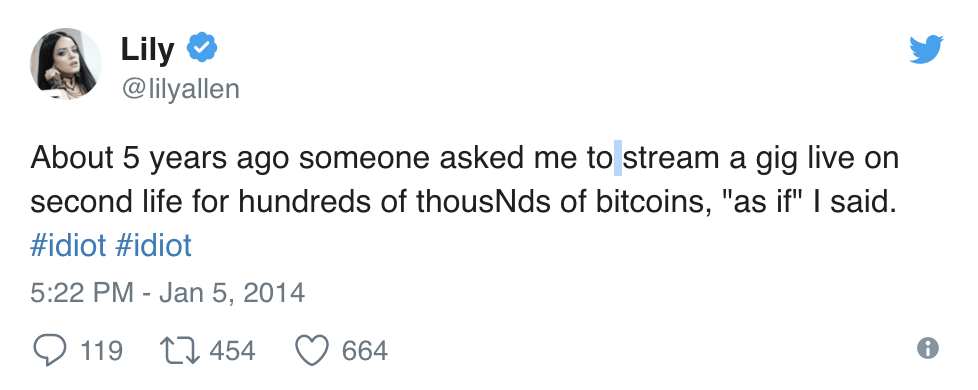
Allen outed herself five years later. On January 5, 2014, she posted on Twitter: “About 5 years ago someone asked me to stream a gig live on second life for hundreds of thousNds of bitcoins, ‘as if’ I said. #idiot #idiot”
(The original post has since been deleted from X. It survives in the Internet Archive.)
By the day she posted that, one bitcoin was worth somewhere between $800 and $974, depending on which panicked newsroom did the maths. The Independent calculated that the fee would already have been worth more than 20 times her reported £6 million fortune. SPIN and Mashable landed in the same miserable ballpark. She had not missed a payday. She had missed a fortune, and it was still early.
The replies wrote themselves
The internet did the rest. The tweet has been quoted and reprised by newsrooms at every bitcoin milestone since, and its two hashtags did most of the damage by themselves.
The story then refused to die, because the number refused to stop. When NME reprised it in 2017, the same 200,000 bitcoin were worth over £1.68 billion, more than Madonna (£371 million), Beyoncé (£260 million), and the Queen (£415 million) at the time.
Here is where it gets silly. One bitcoin is worth about £61,200 today, October 15, 2026. Multiply that by 200,000 and you get roughly £12.2 billion, or about $16.2 billion. Let that sink in. One virtual gig, performed from her sofa, would have paid more than her entire career many times over. Her actual net worth is estimated at around $4 million by Celebrity Net Worth.
It gets worse. Two hundred thousand bitcoin is roughly 1 percent of every bitcoin that exists. One in every hundred bitcoin on Earth would have had Lily Allen’s name on it because she sang into a laptop in 2009.
And she cannot even claim the gig was beneath her. Second Life concerts were a genuine thing in the 2000s. Jimmy Kimmel Live simulcast a Jay-Z performance into the virtual world in 2006. Warner Bros held a Regina Spektor listening party there. Duran Duran built an entire branded universe inside it, complete with rehearsal rooms and a spa. Plenty of stars said yes to the metaverse before it was called the metaverse. They just got paid in money that stayed money.
One footnote for the sceptics: some bitcoin historians have raised an eyebrow at the dates. Bitcoin was days old when 2009 began, and Second Life had its own currency, Linden Dollars, so a few have wondered whether the offer was really bitcoin at all. Allen has never walked the story back, though, and she was still posting about bitcoin years later. In July 2016, after the Brexit vote, she told her 5.8 million followers: “Bitcoin now more stable than the pound. Lolz”
She is doing fine, by the way. Her album West End Girl was called the best of 2025 by many critics, the tour sold out its first leg, and she and ex-husband David Harbour recently sold their Brooklyn townhouse for $7.3 million. She does not need the money.
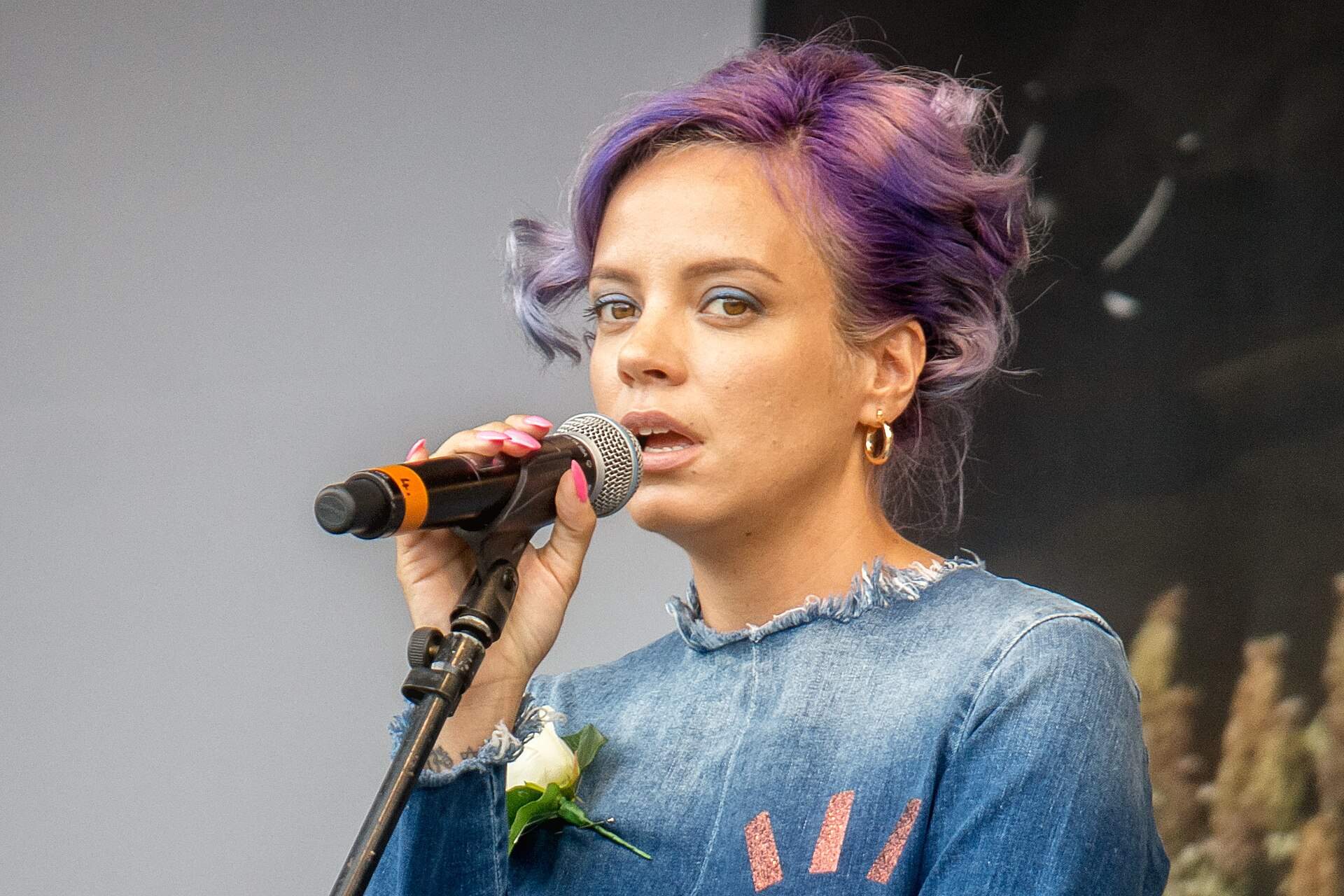
But somewhere out there is a timeline where Lily Allen is richer than almost every musician alive, purely because she once said yes to a weird internet gig. In this timeline, she just has the most expensive “as if” in pop history.
Artists getting paid in bitcoin barely raises an eyebrow now. The tools are off the shelf, and Lightning News has a whole guide to accepting bitcoin payments. In 2009, it still sounded like a joke. Allen just happened to be the punchline.
The gig she turned down exists now
The strangest part of the story is that the offer itself no longer sounds strange. A livestreamed performance, paid in bitcoin, directly by the audience: that is now a small, working corner of the music business.
On Tunestr, artists perform live and fans send Lightning tips, called zaps, straight to the performer while they play. On Wavlake, artists publish tracks that listeners can boost with bitcoin micropayments over the Lightning Network. Fountain, the podcast and music app, lets musicians release music with no label or distributor and get paid instantly over Lightning, with automatic splits for collaborators. And V4V Music plays value-for-value tracks from across the open RSS ecosystem, with boosts going directly to the artists.
None of these would have paid Lily Allen £12.2 billion. But every one of them is the 2009 offer, productised: sing into the internet, get paid in bitcoin. She just got asked 15 years too early.