


A Lightning Network wallet is a digital wallet that enables users to send and receive Bitcoin instantly with minimal fees using the Lightning Network. Lightning is a second-layer protocol using payment channels for speed and scalability. Unlike conventional Bitcoin wallets, which process transactions directly on-chain, Lightning wallets utilize off-chain payment channels that allow multiple transactions before settling final balances on the main Bitcoin ledger.
How a Lightning Network Wallet Works
When a user opens a Lightning channel, a portion of Bitcoin is locked in a multi-signature contract on the blockchain, or HTCL (hash time lock contract) to be more technical. This “funding transaction” establishes a payment channel that enables instant, near-free exchanges between peers.
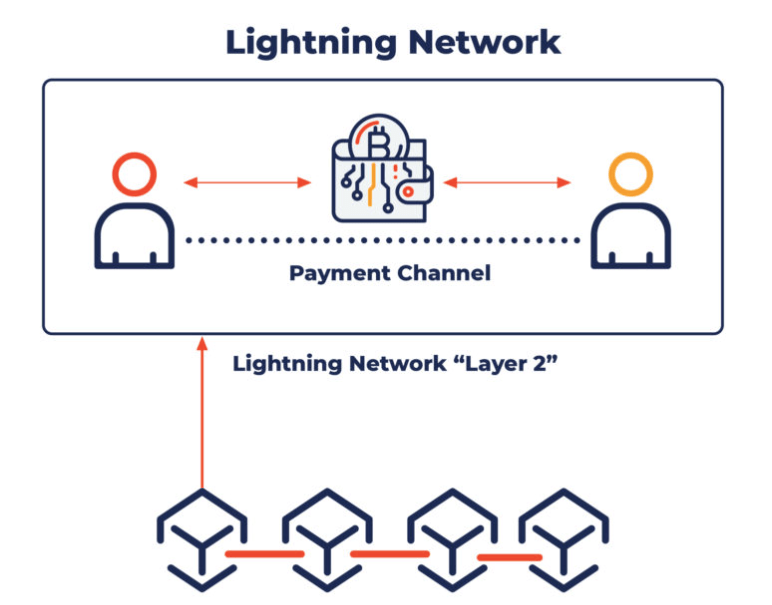
Only the opening and closing transactions are recorded on-chain; every intermediate payment occurs off-chain. The wallet handles routing across the Lightning Network to find an optimal path between the sender and receiver, similar to how data packets move across the internet.
A Lightning network wallet also generates invoices (QR codes or payment requests) for transactions. Once a payment is made, balances update instantly without waiting for typical Bitcoin confirmations. This architecture enables near-instant micropayments, making Lightning wallets ideal for coffee purchases, tips, subscriptions, and digital commerce.
Types of Lightning Network Wallets
There are two main categories of Lightning Network wallets—custodial and non-custodial—each catering to different user preferences concerning control, convenience, and security.
| Type | Definition | Key Advantages | Key Drawbacks |
|---|---|---|---|
| Custodial | Third-party holds keys and manages channels | Simple to use; instant setup | Requires trust in provider |
| Non-custodial | User holds private keys and manages channels | Full control and privacy | Requires self-management and backups |
Custodial Lightning Network Wallets
Custodial Lightning wallets are akin to modern banking apps. The provider runs a Lightning node, manages liquidity, and stores user funds, allowing seamless operation without setup complexity. These are perfect for newcomers who value ease of use.
- Wallet of Satoshi: A fully custodial app known for being the simplest entry point. It hosts users’ funds and channels, allowing instant Lightning payments without technical setup.
- Blink: Another popular custodial option offering frictionless onboarding, Lightning Address, integrated on-chain deposits, and automatic channel management, making it popular in regions rolling out Bitcoin payments for retail use.
- Coinos: A web-based custodial wallet enabling merchants to accept Lightning payments easily. It supports instant settlements, autowithdrawals, NWC, Lightning Address, and has a user-friendly dashboard for casual use or business payments.
Non-Custodial Lightning Network Wallets
Non-custodial wallets embody the “your keys, your coins” principle. Users retain full control over their private keys, providing maximum sovereignty and security. These wallets manage Lightning operations directly or through tools that automate node management while keeping keys local.
- Phoenix: A non-custodial wallet developed by ACINQ that offers seamless channel management with automatic rebalancing. It retains full self-custody and is ideal for both beginners and experts.
- Alby: A browser-based Lightning wallet that integrates with the Lightning Address protocol and Nostr, enabling instant tipping and web payments while giving users ownership of their keys. Alby also provides Alby Hub and Alby Go.
- Zeus: A self-custodial, open-source Bitcoin wallet that puts users in control.
Why Lightning Network Wallets Matter
Lightning wallets are critical to Bitcoin’s scalability and real-world usability. By moving payments off-chain, they reduce network congestion, enable real-time transactions, and make micropayments economically viable. This technology turns Bitcoin from a slow settlement layer into a dynamic payment system practical for everyday commerce—from buying a coffee to paying online creators.
In essence, a Lightning Network wallet is the gateway to a faster, more scalable Bitcoin experience. Whether you choose a beginner-friendly custodial app like Wallet of Satoshi or a self-sovereign option like Phoenix or Alby, the Lightning Network opens the door to instant global payments aligned with Bitcoin’s open, decentralized ethos.